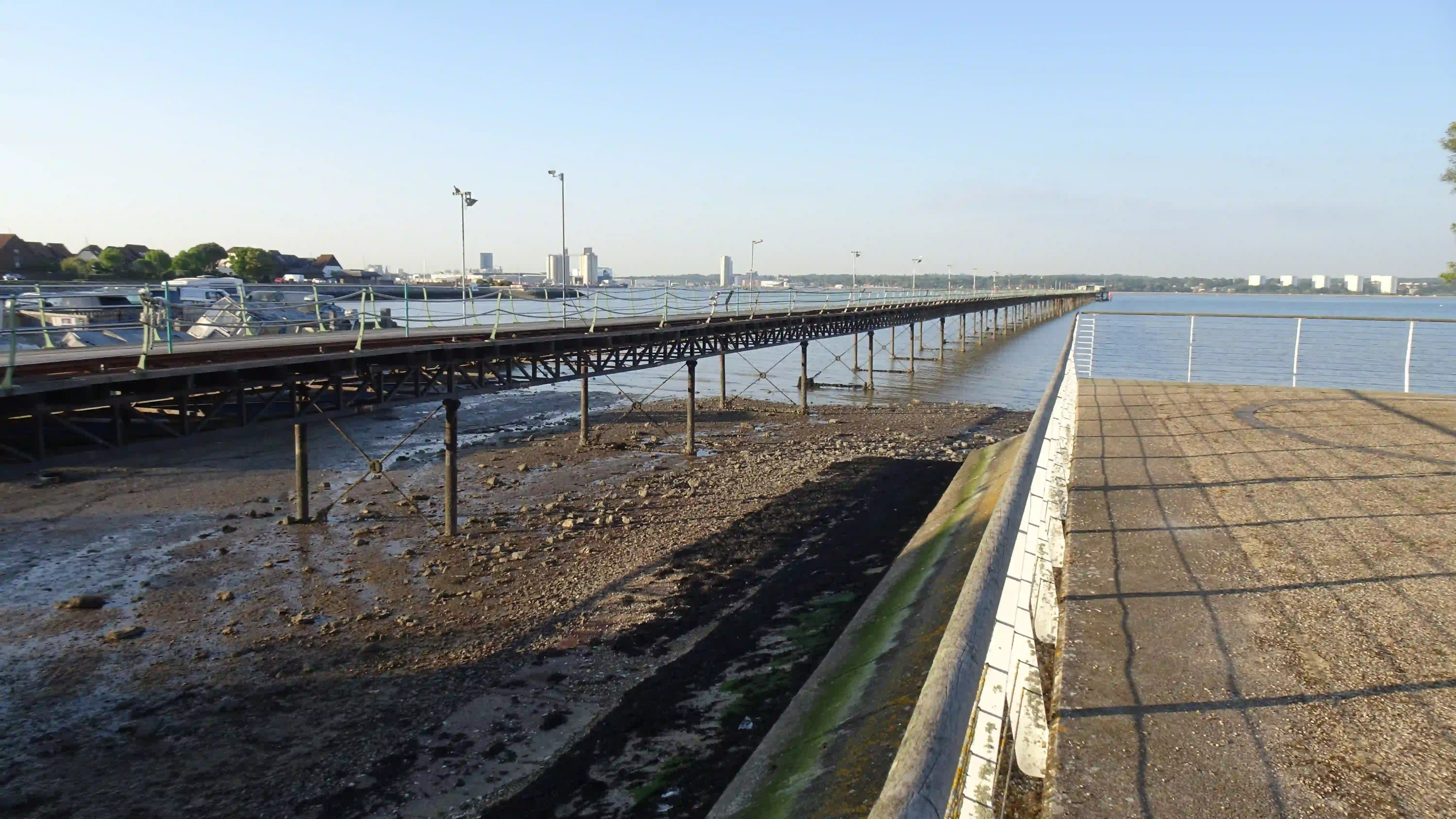
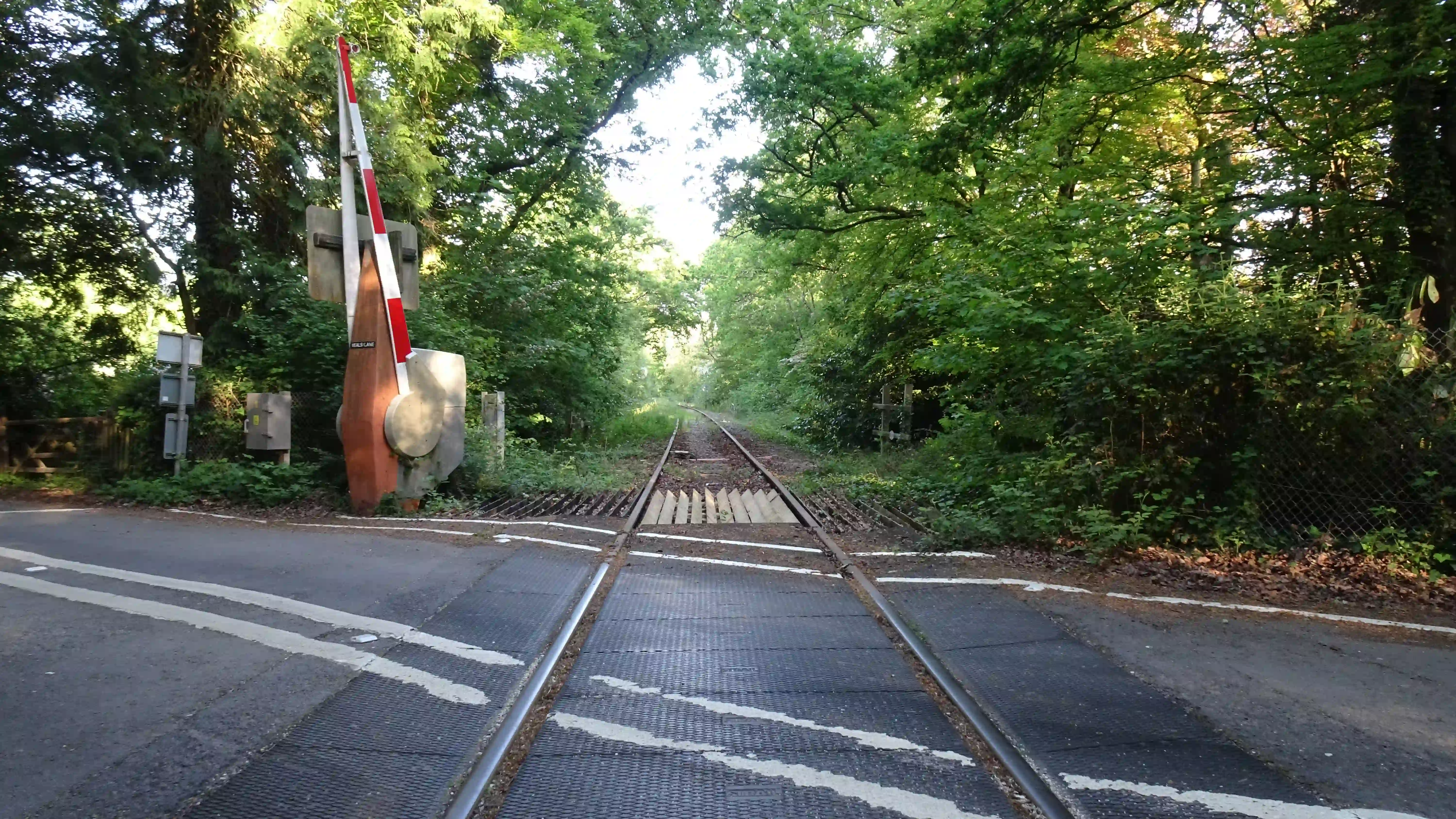
This project set out to capture the identity, character and personality of a series of New Forest Waterside communities: Totton, Marchwood, Dibden Purlieu, Hythe, Holbury, Fawley, and Calshot.
We combined field-based film and photography, with observations and an extended programme of one-to-one conversations and focus-group sessions with parish councils and community representatives. We prioritised depth over breadth and let people speak in their own terms.
The result was a rich evidence base: a place-narrative synthesising resident voices, an illustrative “emotional map” of the area annotated with verbatim quotes, a SWOT analysis, and the use of AI to produce a seven-verse poem (using a modernist, multi-voice narrative as pioneered by T. S. Eliot in the Waste Land) that explores the tension between the Forest, industry, and belonging.
These qualitative findings were translated into practical applications, with recommendations on how the results can inform design codes, Conservation Area reviews, the replacement Local Plan and new community engagement approaches.
The project makes a clear, evidenced case that the Waterside’s identity is inseparable from its position between Forest and estuary, and any future governance or administrative boundaries must reflect that lived reality rather than treat the area as a mere appendage to Southampton. The project is a model for how listening, done properly, can underpin genuinely responsive strategic decision-making.